준경어 (Jun-gyeong-eo): The Speech Level Korean Textbooks Never Told You About
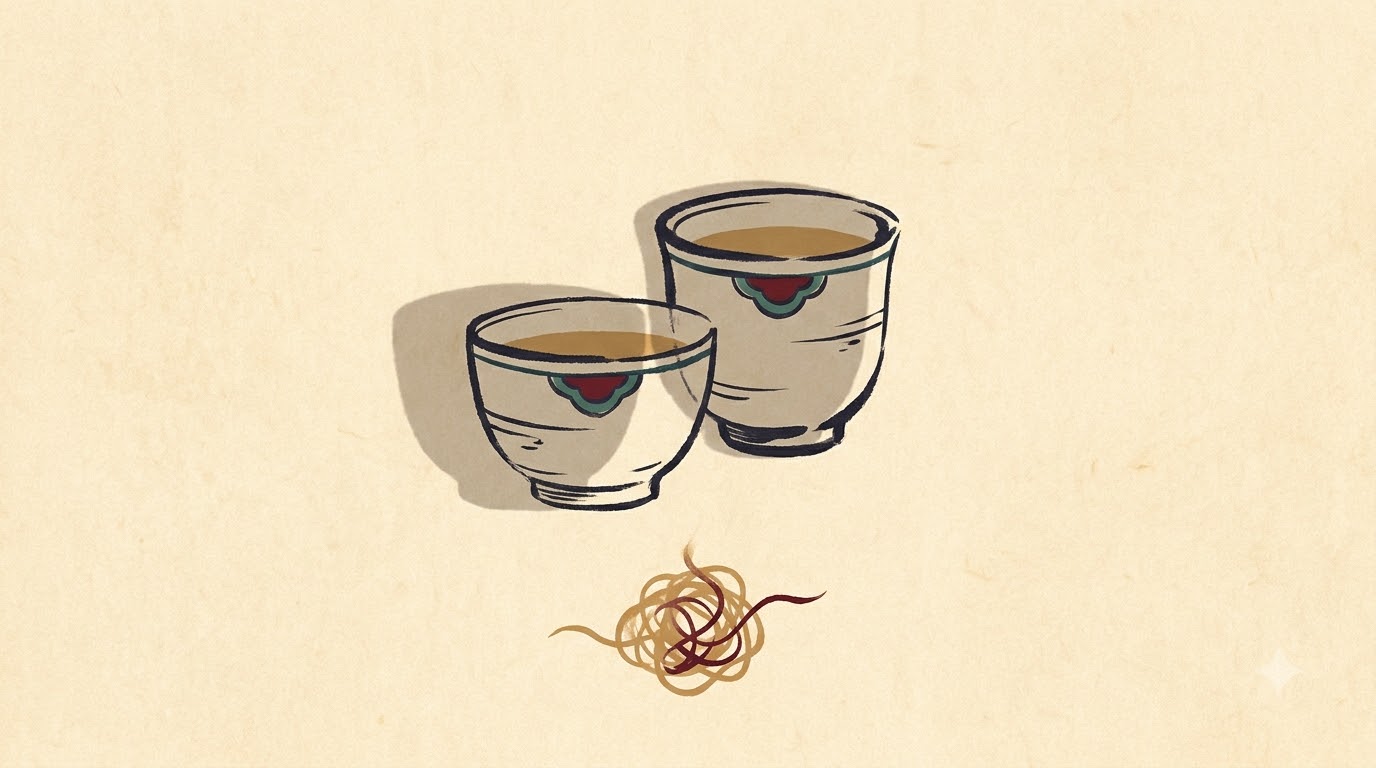
You've put in the work. You know 존댓말 (jon-daet-mal, "formal polite speech") — the -요 and -습니다 endings that signal respect. You know 반말 (ban-mal, "casual speech") — the relaxed -아/-어 endings you use with close friends. You can switch between them. You feel good about this.
Then you watch a Korean family drama and a grandson says to his grandfather: 할아버지, 조심 좀 하시지? (ha-ra-beo-ji, jo-sim jom ha-si-ji?, "Grandpa, be careful, would you?"). You freeze. That's an honorific verb stem — but where's the -요? Is this polite? Is it rude? Is something wrong with your grammar knowledge?
Nothing is wrong with your grammar knowledge. Something is missing from it. And that missing piece has a name: 준경어 (jun-gyeong-eo, "semi-honorific speech").
The Structural Secret: Two Halves of One Sentence
Here's the aha moment in one line: 준경어 keeps the honorific in the verb stem and drops the formality from the sentence ending.
Korean honorifics work in two separate places. The -시-/-으시- marker inside the verb stem signals that you respect the subject. The -요 or -습니다 at the sentence's end signals that you're being formal with your listener. Textbooks teach these two as a package deal — keep both, or drop both. What they don't tell you is that Korean speakers routinely split them apart.
In 준경어, the -시-/-으시- stays. The -요 goes. The result is a sentence that says: I respect you, and I'm close enough to you that I don't need to keep my distance. That's not a grammar accident. That's a precise emotional statement encoded in structure.
No other register can do this. Full 존댓말 gives you respect and formality. Full 반말 gives you neither. 준경어 gives you respect without formality — and in a Korean family, that combination is exactly what closeness feels like.
Why the Tension Exists — and Why 준경어 Resolves It
Korean families carry a built-in grammatical problem. Elders genuinely deserve the respect that the -시- marker signals — that's not negotiable in Korean social culture. But full formal speech creates emotional distance, and families aren't supposed to feel distant.
Take the simplest possible example: asking your grandmother if she's eaten.
Full honorific — 할머니 진지 드셨어요? (hal-meo-ni jin-ji deu-syeo-sseo-yo?, "Grandma, did you eat?") — is grammatically perfect. But inside a warm family kitchen, that -요 can land with a strange stiffness, like you're addressing a department head rather than the woman who raised your parent.
Full banmal — 할머니 밥 먹었어? (hal-meo-ni bap meo-geo-sseo?, "Grandma, did you eat?") — is the opposite problem. Dropping the honorific verb entirely reads as inconsiderate at best.
준경어 threads the needle: 할머니 진지 드셨어? (hal-meo-ni jin-ji deu-syeo-sseo?, "Grandma, did you eat?")
Look at what's happening here. The respectful noun 진지 (jin-ji, the honorific word for "meal") stays. The honorific verb 드시다 (deu-si-da, the respectful form of "to eat") stays. Only the -요 at the end is gone. The sentence is simultaneously more respectful than pure banmal and warmer than full 존댓말. That's not a compromise — it's a third option that the other two couldn't reach.
Four Patterns, Four Emotional Layers
The structure is always the same: [honorific verb stem with -시-/-으시-] + [casual ending without -요]. But the emotional texture shifts depending on which casual ending you choose.
할머니 진지 드셨어? (hal-meo-ni jin-ji deu-syeo-sseo?, "Grandma, did you eat?") The -었어 ending is past tense banmal — warm, unguarded, the way you'd check in with someone you love. The honorific vocabulary (진지, 드시다) signals that the respect is fully intact; only the formality marker is gone. This is 준경어 at its most affectionate.
아빠, 어디 가시는거야? (a-ppa, eo-di ga-si-neun-geo-ya?, "Dad, where are you headed?") 가시다 (ga-si-da, honorific form of 가다, "to go") carries the respect, while -는거야 is casual enough to use with a close friend. The -시- is doing quiet but important work here. Strip it out — say 아빠, 어디 가는거야? — and the sentence sounds oddly flat, like you've stopped registering the relationship. The -시- isn't optional; it's what makes the question feel like it comes from a child who still sees their father as their father.
삼촌 괜찮으신거야? (sam-chon gwaen-cha-neu-sin-geo-ya?, "Uncle, are you okay?") This one carries worry. The -으시- in 괜찮으시다 (gwaen-cha-neu-si-da, honorific form of 괜찮다, "to be okay") means the concern is wrapped in respect — you're not just checking on your uncle, you're checking on him properly. The casual -ㄴ거야 makes the worry feel genuine and unguarded rather than clinical. Respect and anxiety in one breath.
할아버지, 조심 좀 하시지? (ha-ra-beo-ji, jo-sim jom ha-si-ji?, "Grandpa, be careful, would you?") This is the most interesting example in the set. The ending -지 carries a mild tone of gentle insistence — the loving nag that only family can deliver without offense. 조심 좀 하시지? pairs that affectionate reproach with the honorific 하시다. You're telling your grandfather off, slightly, while still bowing to him linguistically. That specific combination — tender exasperation plus respect — is something full 존댓말 can't deliver (too stiff) and pure banmal can't deliver (too presumptuous). Only 준경어 can hold both at once.
Who This Works With — and Where It Breaks Down
The boundary for 준경어 is not age or status. It's closeness.
This register is natural with parents, grandparents, and aunts and uncles you grew up around — people where the relationship is simultaneously hierarchical and deeply intimate. With a teacher, a boss, an older stranger, or in any formal setting, dropping the -요 from an honorific sentence doesn't read as warm. It reads as careless. In those contexts, full 존댓말 is the baseline and should stay the baseline.
It's also worth saying directly: Korean families vary. Some households use more formal speech even between close relatives; some are more relaxed across the board. 준경어 describes a very common pattern in Korean family conversation — not a rule every family follows identically. If you're navigating a new family's dynamics, listening before speaking is always the smarter move.
Apply This Right Now

Take any sentence you'd say to a close family elder in full 존댓말 and shift it to 준경어 by removing the final -요 while keeping the -시-/-으시- in the verb stem. That's the entire operation.
| Full 존댓말 | 준경어 | What changed |
|---|---|---|
| 아빠, 어디 가시는거예요? | 아빠, 어디 가시는거야? | -예요 → -야 |
| 삼촌 괜찮으신거예요? | 삼촌 괜찮으신거야? | -예요 → -야 |
| 할머니 진지 드셨어요? | 할머니 진지 드셨어? | -요 dropped |
| 할아버지, 조심 좀 하시지요. | 할아버지, 조심 좀 하시지? | -요 dropped |
The mechanical change is tiny. The shift in emotional temperature is real.
Two mistakes to avoid. The first: encountering these sentences and mentally "correcting" them by restoring the -요. If you do that, you're editing out a deliberate grammatical choice, not fixing an error. The second: using this register outside close family. The warmth of 준경어 depends entirely on the relationship it's embedded in. Outside that context, it stops reading as warmth.
What This Actually Tells You About Korean
The deeper insight here isn't just about one speech pattern. It's about how Korean encodes relationship texture structurally — in ways that English handles through tone of voice, word choice, or context.
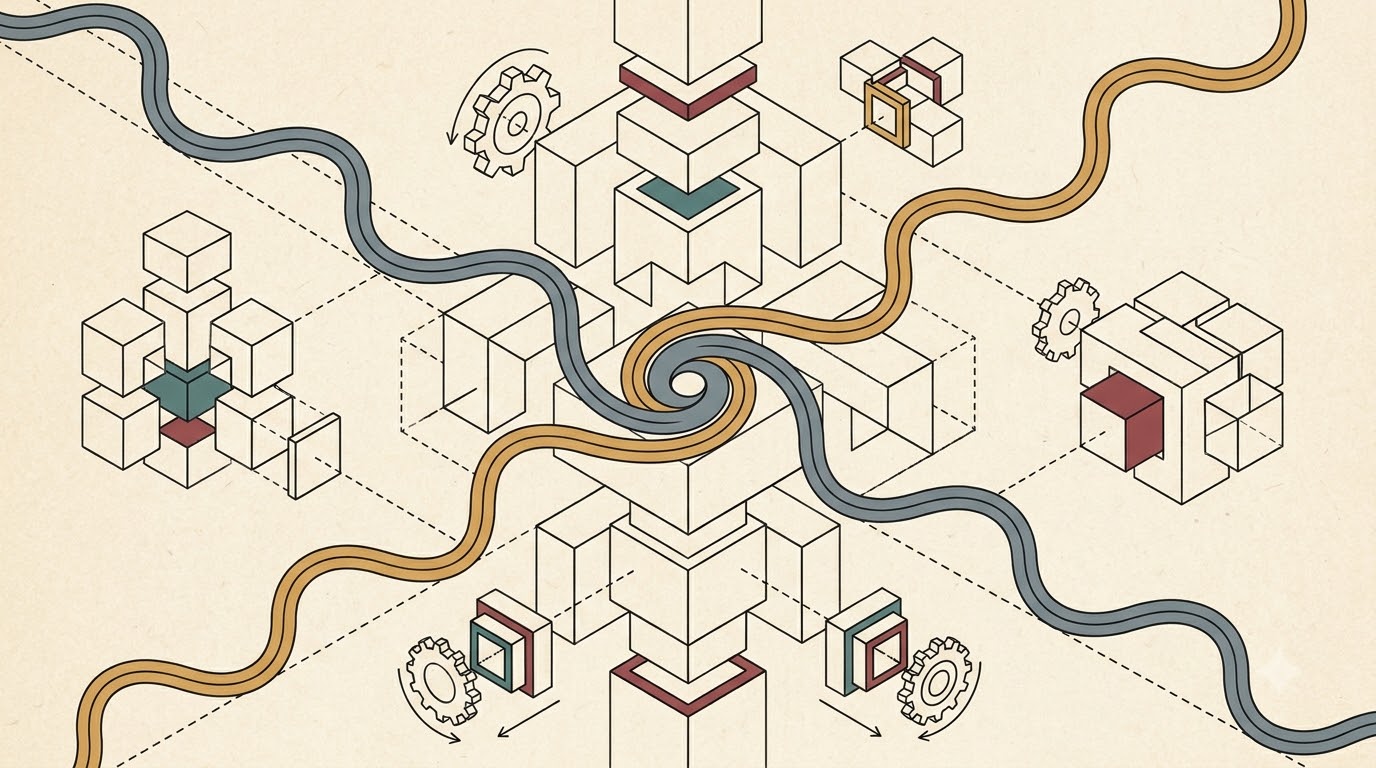
Where English has to work around the grammar to say "I respect you AND I'm close to you," Korean can say both things simultaneously with a single -시- and a missing -요. The language built a slot for that exact emotional state.
When you hear 준경어 in a drama or a real family conversation, you're not hearing a grammar slip. You're hearing the sound of someone who loves and respects the person they're talking to — and whose language is precise enough to carry both at once.
That's not an exception to Korean grammar. That's Korean grammar doing exactly what it was built to do.
Once you know 준경어 exists, you'll hear it constantly in Korean family scenes — and those moments that used to feel like puzzles will start feeling like windows. Keep listening for the -시- and notice where the -요 went. It didn't disappear by accident. It was set down deliberately, to close the distance.
🔊 Pronunciation Guide
Natural-sounding audio for the Korean in this article. Listen, then shadow out loud.
The exact phrases Koreans actually use every day — with the nuance notes that keep you from sounding like a textbook. Delivered as a beautiful PDF, free.
Send Me the Free PDFNo spam. Unsubscribe anytime.