What Does "Arirang" Mean in Korean? The Secret Behind Korea's Most Famous Song
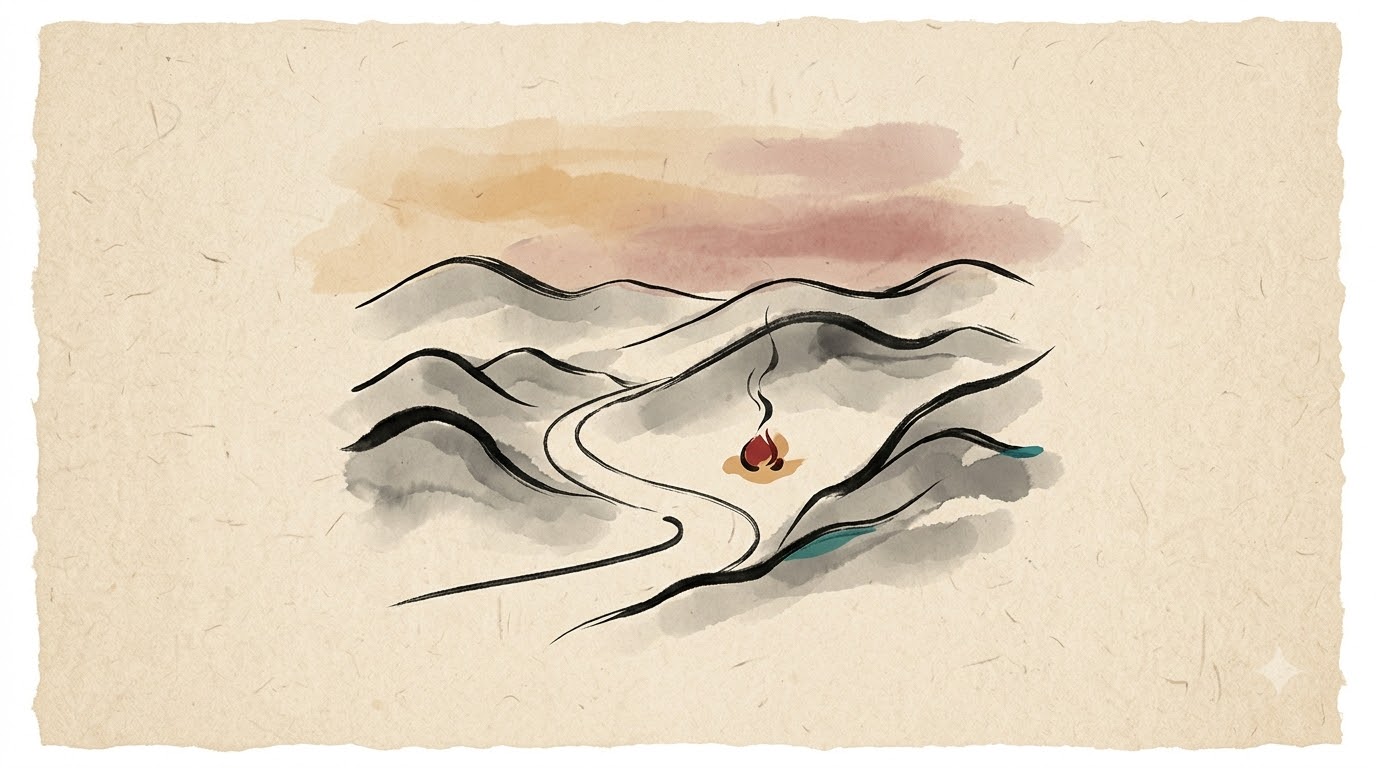
If you have ever typed what does arirang mean in korean into a search bar, you likely ended up frustrated. Type it into a standard translator or hunt for a direct dictionary definition, and you will hit a brick wall. "Arirang" has no single literal translation. It is not a standard noun you can cleanly swap out for an English equivalent, which throws learners off when they expect a neat 1:1 vocabulary match.
Here is the logic native speakers rarely think to explain: "Arirang" is not a word with a dictionary definition; it is a poetic vocable. It functions as a musical anchor, carrying centuries of emotional weight that language alone struggles to hold. To understand why it acts as an unofficial national anthem, we have to look past literal translation and examine the cultural pillars beneath it. Of course, human experiences are wonderfully diverse, and while this song anchors a shared cultural tradition, individual modern listeners connect to it in wildly different ways. Even so, the emotional framework it maps out remains central to understanding Korean literature and music.
At a glance
| Korean | Romanization | Meaning | Use it with |
|---|---|---|---|
| 고개 | gogae | mountain pass / ridge | poetic contexts, directions in mountainous regions, or metaphors for hardships |
| 한 | han | deep grief / unresolved sorrow | discussions about history, traditional arts, literature, or deep emotion |
| 임 | im | beloved / dear one | reading poetry, singing traditional folk songs, or watching historical dramas |
Why Doesn't "Arirang" Have a Direct Translation?
Languages often contain blank spaces where history and emotion fill the void, and Korean is no exception. When learners try to pin down "Arirang," they are hunting for a linguistic lock without a key.
The word itself operates as a traditional refrain in a folk song, but its power is built on specific cultural concepts. To make sense of the song, we have to explore the physical landscapes and internal struggles embedded in its lyrics. It is less about defining a physical object and more about touching a shared human experience of endurance.
How Do Mountain Passes Become Metaphors for Life?
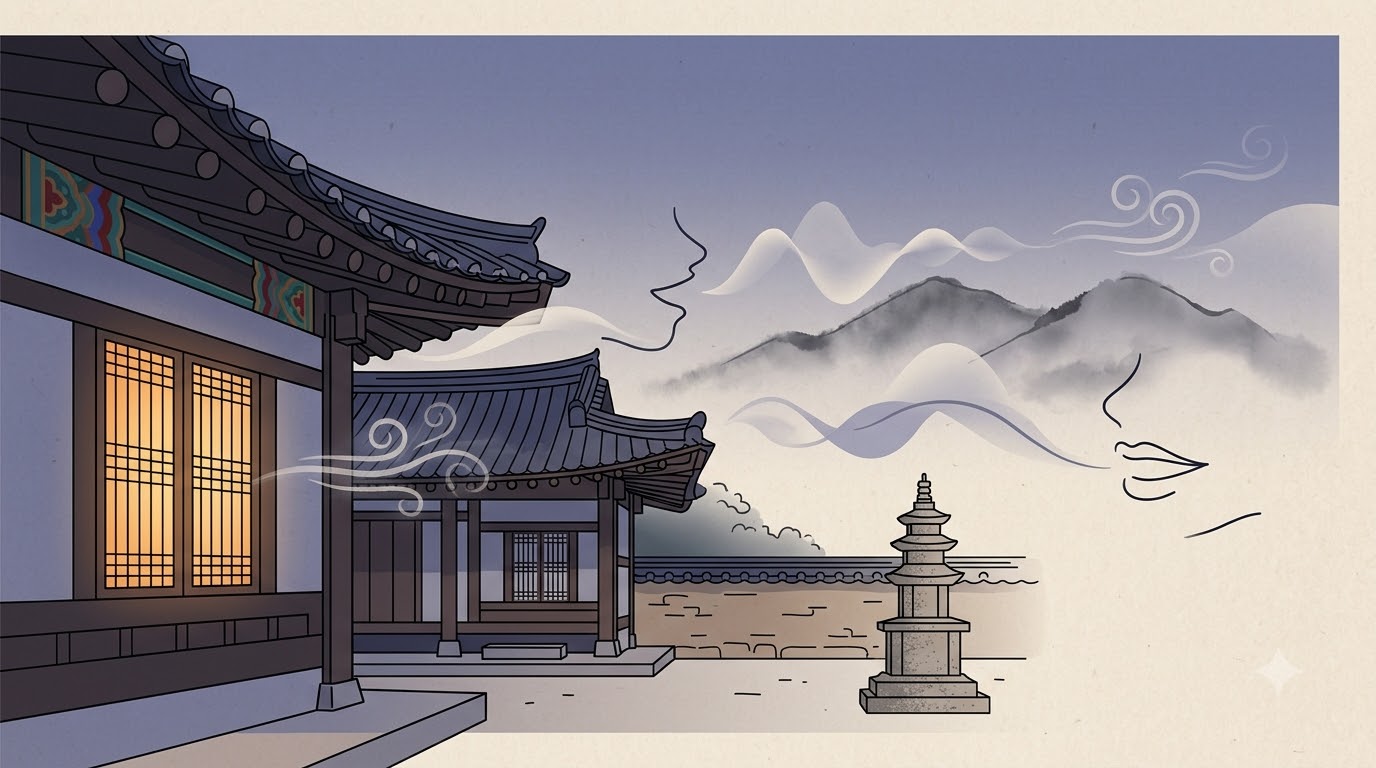
A central image running through the song is a rugged landscape feature. In daily life, it literally means a hill or mountain pass, but in literature and music, it carries a sense of physical and emotional struggle. This is captured by the term 고개 (gogae, "mountain pass / ridge").
In the context of Arirang ("아리랑 고개"), a mountain pass serves as a metaphor for overcoming difficult life obstacles or parting ways with a beloved. You can see this reflected in everyday literary usage: 아리랑 고개를 넘어가는 노래 가사가 가슴을 울려요 (arirang gogaereul neomeoganeun norae gasaga gaseumeul ullyeoyo, "The lyric about crossing the Arirang Pass touches my heart."). You might use this word when discussing poetic contexts, directions in mountainous regions, or metaphors for hardships. As noted in standard Korean dictionaries, it describes a 비탈진 곳 (bitaljin got, "sloping place") built for crossing 산이나 언덕 (sanina eondeok, "mountains or hills").
What is the Emotional Core of Korean Folk Tradition?
Beyond physical geography, the song speaks directly to the internal weight carried through turbulent times. This brings us to 한 (han, "deep grief / unresolved sorrow").
This is a uniquely Korean psychological concept referring to accumulated grief, injustice, or unfulfilled longing that remains in the heart over time. It is a serious, nuanced emotional concept often discussed in history, literature, film, and traditional art like Arirang. While not every Korean person relates to this exact cultural construct in their modern daily life, it remains a powerful lens for understanding historical narratives. You will find it used in contexts like 이 민요에는 우리 민족의 한이 서려 있어요 (i minyoeneun uri minjogui hani seoryeo isseoyo, "This folk song contains the deep sorrow (han) of our nation."). Lexicographically, it is defined as 몹시 원망스럽고 억울하거나 안타깝고 슬퍼 응어리진 마음 (mopsi wonmangseureopgo eogulhageona antakkapgo seulpeo eungeorijin maeum, "a heart lumped with intense resentment, unfairness, pity, and sorrow").
Who Are You Leaving Behind in the Song?
Traditional folk music needs a narrative, and Arirang frequently tells a story of separation. The person left behind—or the one doing the leaving—is referred to using a very specific, old-fashioned term.
That term is 임 (im, "beloved / dear one"). This is an archaic and highly romantic or poetic term for a loved one, spouse, or master. You will hear it in historical dramas, poetry, and folk songs like Arirang, but never in modern casual speech where people use 자기 (jagi) or 여보 (yeobo) instead. A classic lyric from the tradition captures this vivid threat of abandonment: 나를 버리고 가시는 임은 십리도 못 가서 발병 난다 (nareul beorigo gasineun imeun simnido mot gaseo balbyeong nanda, "My beloved who abandons me will suffer foot pain before walking even ten miles."). It is a wonderful piece of vocabulary to recognize when reading poetry, singing traditional folk songs, or watching historical dramas. Dictionary sources define this simply as 사랑하고 그리워하는 사람 (saranghago geuriwohaneun saram, "a person that one loves and misses").
How to Appreciate Traditional Korean Nuance Today
If you want to apply this understanding to your language learning today, stop hunting for 1:1 English dictionary equivalents when you hit cultural texts. In the next five minutes, pick a line of traditional poetry or a folk lyric, and pause to ask what emotional landscape the words are painting rather than what they mean literally. Recognizing terms like 고개 (gogae), 한 (han), and 임 (im) will instantly unlock the subtext of historical dramas and classic literature, transforming confusing sounds into rich, meaningful stories.
You are doing great by digging into the why behind the language. Keep being curious, take it one step at a time, and you will find that Korean reveals its inner logic more clearly with every layer you peel back.
Quick Questions
What does arirang mean in korean? "Arirang" does not have a single literal dictionary translation. Instead, it is a poetic vocable and the title of Korea's most famous folk song. It symbolizes the emotional resilience, grief, and longing of the Korean people, acting as an unofficial national anthem rather than a standard vocabulary word.
🔊 Pronunciation Guide
Natural-sounding audio for the Korean in this article. Listen, then shadow out loud.