What Does Saja Mean in Korean? Decoding the Logic Behind the Homophones
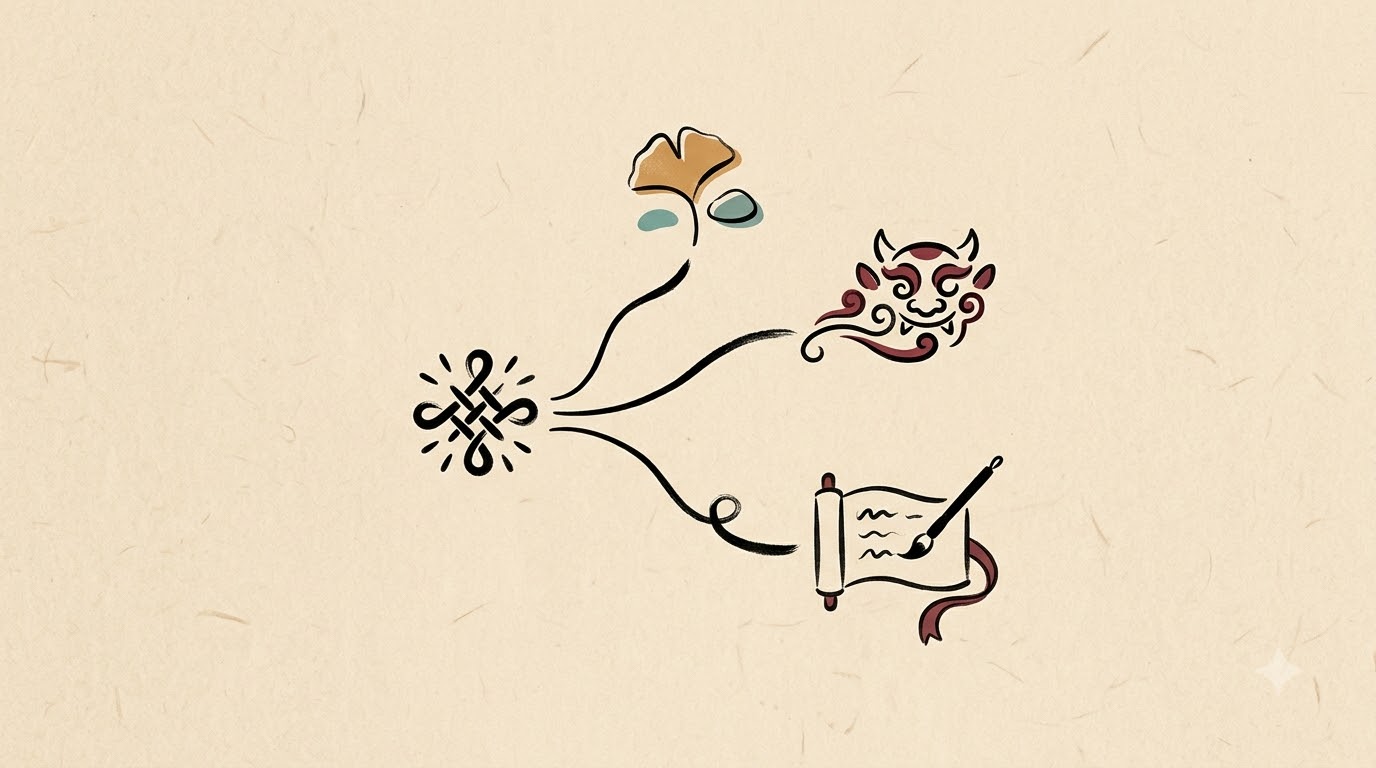
If you have spent any time watching K-dramas or studying vocabulary, you have likely typed "what does saja mean in korean" into a search bar, feeling a wave of confusion. One moment, a terrifying spirit in a fedora is guiding souls into the afterlife; the next, someone is talking about an animal with a majestic mane; and elsewhere, you are expected to memorize a four-character phrase. How can one short sound cover a fierce African predator, an underworld messenger, and a classical idiom all at once?
The secret lies in Hanja—Sino-Korean roots. While Korean uses an alphabet (Hangul) that maps sounds efficiently, many words share the exact same phonetic spelling even though they are built from completely different Chinese characters. Once you learn to look past the surface spelling and spot the building blocks, these seemingly random meanings click into place instantly.
At a glance
| Korean | Romanization | Meaning | Use it with |
|---|---|---|---|
| 저승사자 | jeoseungsaja | Grim Reaper / underworld messenger | discussing K-dramas, Korean mythology, or teasing a friend wearing all black |
| 사자성어 | sajaseongeo | four-character idiom | studying advanced vocabulary, reading news articles, or writing formal essays |
| 암사자 | amsaja | lioness | watching nature documentaries or talking about wildlife |
| 수사자 | susaja | male lion | describing animals or watching nature shows |
Is the Lion an Animal or a Messenger?
The most common point of confusion for learners is separating the physical animal from the mythological figures and linguistic structures that share its pronunciation. Because Korean borrows heavily from Sino-Korean roots, words that sound identical can belong to entirely different conceptual universes.
When you are watching a nature documentary, you are looking at the literal beast. To specify gender in nature contexts, native speakers attach prefixes to the root word. For instance, when observing females hunting cooperatively in a group, you use 암사자 (amsaja, "lioness"), combining the female animal prefix with the core noun. On the other hand, when describing a powerful predator in the wild, you might say 수사자 (susaja, "male lion"), referring specifically to the animal's distinct mane. Of course, while wildlife documentaries and formal texts rely strictly on these precise biological labels, casual pet owners or people chatting online might just use simpler terms or nicknames for animals depending on the setting.
Why Does a Grim Reaper Share a Name with a Lion?

Step away from the wildlife documentary and into the realm of K-drama folklore, and saja takes on a completely different identity. Here, the sound no longer refers to the beast of the savannah, but rather to a messenger designated by a higher power.
This brings us to one of the most iconic figures in Korean television. In popular culture, you will frequently encounter 저승사자 (jeoseungsaja, "Grim Reaper / underworld messenger"). This term brilliantly combines 저승 (jeoseung, "the afterlife") with a saja root written with the Hanja character for an envoy or emissary (使자). According to tradition, this is the spirit tasked with guiding the dead to the afterlife, as captured in the traditional example: 임종할 때가 되면 저승사자가 와서 데려간다고 한다 ("It is said that when the time of death approaches, the Grim Reaper comes to take you away"). While older generations or rural communities might traditionally prepare specific offerings or take folklore quite seriously, younger viewers in fast-paced urban settings usually enjoy these figures purely as supernatural tropes in fantasy dramas rather than literal beliefs.
How Do You Decode Advanced Four-Character Idioms?
The final way you will encounter this sound is in the realm of classical literature and formal writing. Native speakers regularly use condensed expressions to convey complex wisdom, history, or moral lessons in newspapers, speeches, and mature conversations.
These expressions are known as 사자성어 (sajaseongeo, "four-character idiom"). Built upon a numerical root (四자, meaning the number four), they pack centuries of cultural context into just four syllables, which is why 뉴스나 고급 한국어 책에는 사자성어가 자주 등장합니다 ("Four-character idioms often appear in news and advanced Korean books"). When you read advanced texts or news articles, spotting these structures is a rite of passage for learners moving toward fluency.
How to Apply Hanja Roots to Your Studies Today
Instead of panicking every time you hear a familiar sound in a new context, use this quick practical shortcut to decode unfamiliar words in the next five minutes:
- Listen for context: When you hear saja, immediately check if the speaker is talking about nature (animals), folklore (messengers), or literature (idioms).
- Visualize the root: Ask yourself if the sound represents a beast (獅), an envoy (使), or the number four (四).
- Check the modifiers: Look for prefixes like su- or am- for animals, or compound nouns like jeoseung for the afterlife.
By anchoring your memory to these structural building blocks, you stop relying on rote memorization and start reading Korean with logical clarity.
Quick Questions
What does saja mean in korean?
The Korean word saja has multiple meanings depending on the Hanja characters behind it. It can mean a lion (사자), an underworld messenger or Grim Reaper (使者), or serve as a structural root for four-character idioms (四字). Because Korean uses an alphabet that groups Sino-Korean roots into identical phonetic spellings, context and compound words reveal which meaning applies.
Why is the Grim Reaper called jeoseungsaja in Korean?
The term jeoseungsaja combines 저승 (jeoseung, meaning "the afterlife") with saja (使자, meaning "messenger" or "envoy"). In traditional folklore and modern K-dramas, this refers to the spirit sent by the underworld king to guide the souls of the deceased.
You've got this—keep looking for the patterns, and the language will steadily start to make sense.
🔊 Pronunciation Guide
Natural-sounding audio for the Korean in this article. Listen, then shadow out loud.
The exact phrases Koreans actually use every day — with the nuance notes that keep you from sounding like a textbook. Delivered as a beautiful PDF, free.
Send Me the Free PDFNo spam. Unsubscribe anytime.