Korean Slang Phrases: How to Decode Modern Texting and K-Drama Dialogue
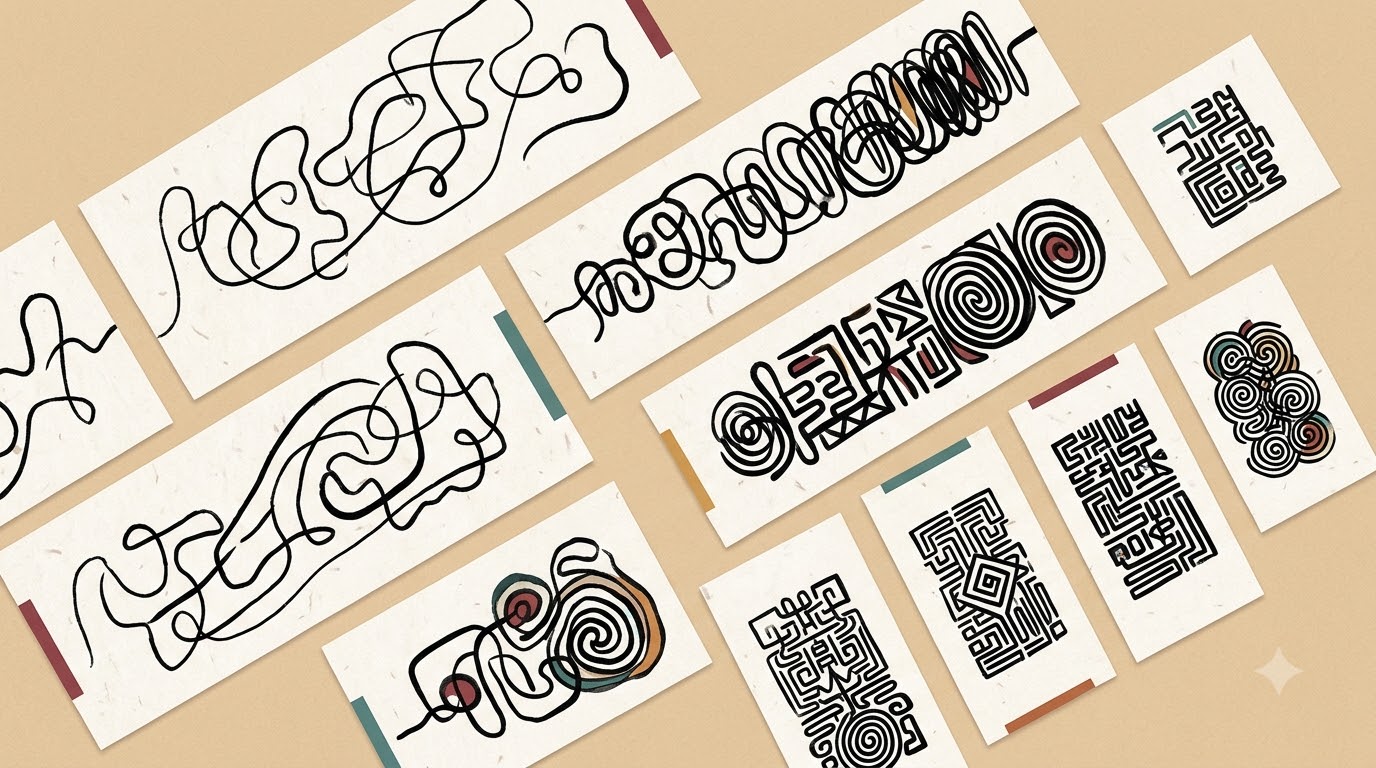
If you have ever dropped a slang term from a three-year-old internet list into a group chat only to be met with dead silence, you already know the frustration of outdated vocabulary. Learners constantly struggle because they try to memorize random internet abbreviations or accidentally use casual slang in polite, real-world settings where it sounds jarringly aggressive. But modern Korean slang isn't just a chaotic list of words to memorize. It relies on predictable structural patterns—primarily 2-to-3 syllable phrase clipping (줄임말) and playful prefixing—allowing you to instantly decode newly created slang once you spot the underlying logic.
At a glance
| Korean | Romanization | Meaning | Use it with |
|---|---|---|---|
| 대박 | daebak | Jackpot / Awesome / Mind-blowing | friends, peers, or close colleagues in casual settings |
| 갑분싸 | gapbunssa | Sudden awkward silence / Mood killer | close friends when describing an awkward social moment |
| 킹받다 | kingbatda | Super annoying / Low-key infuriating | peers when playfully complaining about minor annoyances |
| 억까 | eokkka | Unreasonable hate / Forced criticism | online comment sections or casual discussions about pop culture and sports |
| 소확행 | sohwakaeng | Small but certain happiness | friends or social media posts sharing daily relaxed moments |
| 삼귀다 | samgwida | The 'talking' stage before officially dating | close friends when discussing early romantic relationships |
- • Why Do Korean Texting and Slang Follow Strict Patterns?
- • How Do You Decode Clipped Words and Internet Abbreviations?
- • What Are the Best Expressions for Everyday Annoyance and Joy?
- • Quick Questions
- • What are some popular korean slang phrases used in daily texting?
- • How do I use Korean internet slang without sounding unnatural?
Why Do Korean Texting and Slang Follow Strict Patterns?
When native speakers want to express raw excitement or annoyance in texting, show subtitles, or group chats, they compress long, multi-word thoughts into punchy, bite-sized units.
Take the classic exclamation 대박 (daebak, "Jackpot / Awesome / Mind-blowing"). This is one of the most versatile exclamations in modern Korean, used to express genuine amazement, disbelief, or great news depending on your tone. Because it is highly casual, you should avoid using it with elders or in formal workplace settings. You might hear a friend say 오늘 시험 다 맞았어? 진짜 대박이다! (oneul siheom da majasseo? jinjja daebagida, "You got a perfect score on today's test? That's seriously awesome!").
How Do You Decode Clipped Words and Internet Abbreviations?
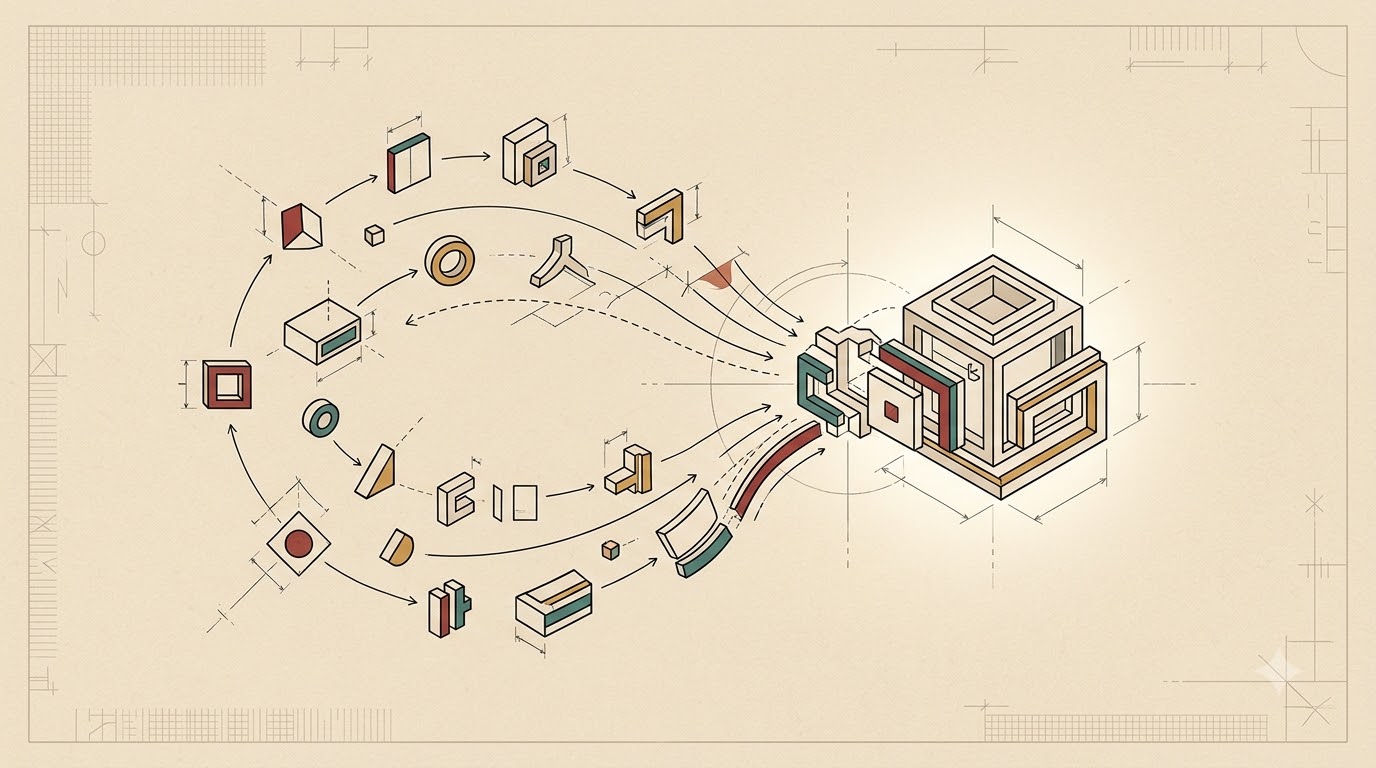
Many learners stumble because they try to translate abbreviations word-for-word without knowing the underlying sentence. The secret is looking at how phrases are squeezed together by keeping the first syllables of key words.
Consider 갑분싸 (gapbunssa, "Sudden awkward silence / Mood killer"). This is short for 갑자기 분위기 싸해짐 (gapjagi bunwigi ssahaejim, "suddenly the mood gets cold"). It is used when someone tells a bad joke or makes a comment that instantly kills the fun vibe. A typical situation might sound like 부장님이 개그를 치셨는데 순간 갑분싸 됐어 (bujangnimi gaegeureul chisyeonneunde sungan gapbunssa dwaesseo, "The manager made a joke and it suddenly became completely awkward").
Another brilliant example of linguistic play is 삼귀다 (samgwida, "The 'talking' stage before officially dating"). This is a clever pun on 사귀다 (sagwida, "to date"). Since the 사 in 사귀다 sounds like the number four (사), people replaced it with 삼 (number three) to represent the stage right before officially dating. It is very casual slang among teens and young adults, often heard when someone says 요즘 그 사람이랑 매일 연락하는데, 삼귀는 중인 것 같아 (yojeum geu saramirang maeil yeollakaneunde, samgwineun jungin geot gata, "I'm texting that person every day lately; I think we're in the 'talking' stage").
What Are the Best Expressions for Everyday Annoyance and Joy?
Once you master clipping patterns, you can explore playful prefixing, where English words or altered prefixes modify existing Korean verbs to dial up the emotion.
For instance, 킹받다 (kingbatda, "Super annoying / Low-key infuriating") blends the English word "King" (used as an intensifying prefix meaning "extremely") and 열받다 (yeolbatda, "to get mad"). It describes a lighthearted, playful state of being annoyed or exasperated rather than true, dangerous rage. You can use it with peers when playfully complaining about minor annoyances, such as 친구 얼굴만 봐도 웃기고 킹받아 (chingu eolgulman bwado utgigo kingbada, "Just looking at my friend's face is funny and low-key infuriating").
On the flip side, online spaces often feature unfair criticism, which led to the creation of 억까 (eokkka, "Unreasonable hate / Forced criticism"). Short for 억지로 까기 (eokjiro kkagi, "criticizing someone forcefully or unjustly"), it is used in gaming streams, sports discussions, and pop culture chats when a person or team gets blamed or hated on without valid reason, as seen in the sentence 그 가수는 실력은 좋은데 괜히 억까 당하고 있어 (geu gasuneun sillyeogeun joeunde gwaenhi eokkka danghago isseo, "That singer is actually talented, but they're getting forced hate for no reason").
To balance out the negativity, you can look for small daily joys using 소확행 (sohwakaeng, "Small but certain happiness"). This is an acronym for 소소하지만 확실한 행복 (sosohajiman hwaksilhan haengbok). It describes finding joy in small, daily things like a hot cup of coffee or a clean desk, and it is used frequently on social media captions and in everyday casual conversations. A common expression of this mindset is 퇴근길에 붕어빵 사 먹는 게 내 소확행이야 (toegeungire bungeoppang sa meongneun ge nae sohwakaengiya, "Buying fish-shaped bread on my way home from work is my small but certain happiness").
Quick Questions
What are some popular korean slang phrases used in daily texting?
Modern texting heavily relies on clipped phrases and acronyms that capture a complete scenario in just a few syllables. Popular examples include 갑분싸 for a sudden awkward silence and 소확행 for finding joy in small, everyday moments. These terms allow speakers to convey complex emotional nuances instantly in group chats.
How do I use Korean internet slang without sounding unnatural?
The key is matching your vocabulary to your social context and relationship with the listener. However, using them in formal settings, professional workplaces, or with elders will sound misplaced and overly casual, where traditional honorifics are expected instead.
Mastering these structural patterns moves you past stiff textbook dialogue and unlocks the true rhythm of modern Korean conversation. Look at any new slang word you encounter tomorrow, find the original full words it was clipped from, and you will instantly decode its meaning. Happy studying!
🔊 Pronunciation Guide
Natural-sounding audio for the Korean in this article. Listen, then shadow out loud.